How AI-Generated Content and Human Expertise Can Coexist in SEO
A hard-truth briefing for teams still arguing about “AI vs humans” while competitors quietly win.
Let’s cut through the noise.
AI didn’t “kill SEO.” It exposed lazy SEO.
Right now, most brands are using AI like an intern on espresso: fast, enthusiastic, and fundamentally unsupervised. The result is a web full of beige content—technically correct, strategically hollow, and commercially useless. High-performing teams aren’t choosing sides. They’re building operating models where AI does the leverage work and humans do the judgment work. That’s not a philosophy. That’s a performance requirement.
This is how coexistence actually works when revenue is the KPI.
The Strategic Reality Check
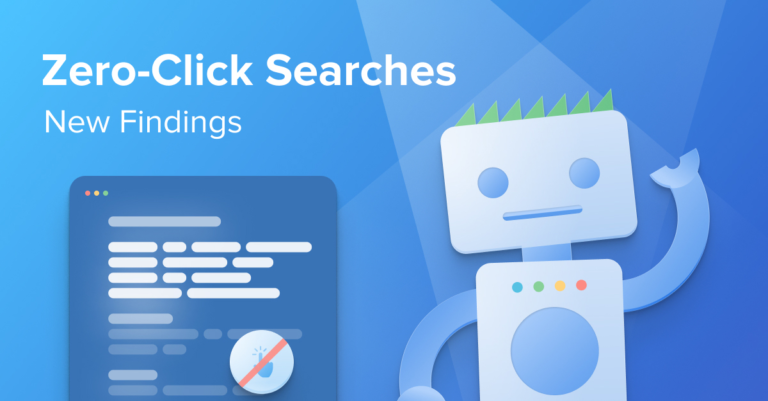
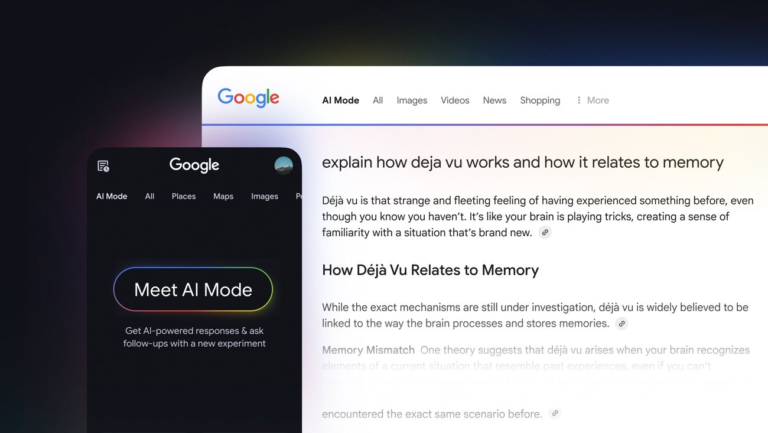
Search engines are no longer just ranking pages; they’re synthesising answers. Platforms like Google now treat content as training data for AI summaries, overviews, and generative results. Your page might “rank” and still deliver zero clicks.
That changes the job description of SEO entirely. The objective is no longer traffic. The objective is inclusion, authority, and downstream influence.
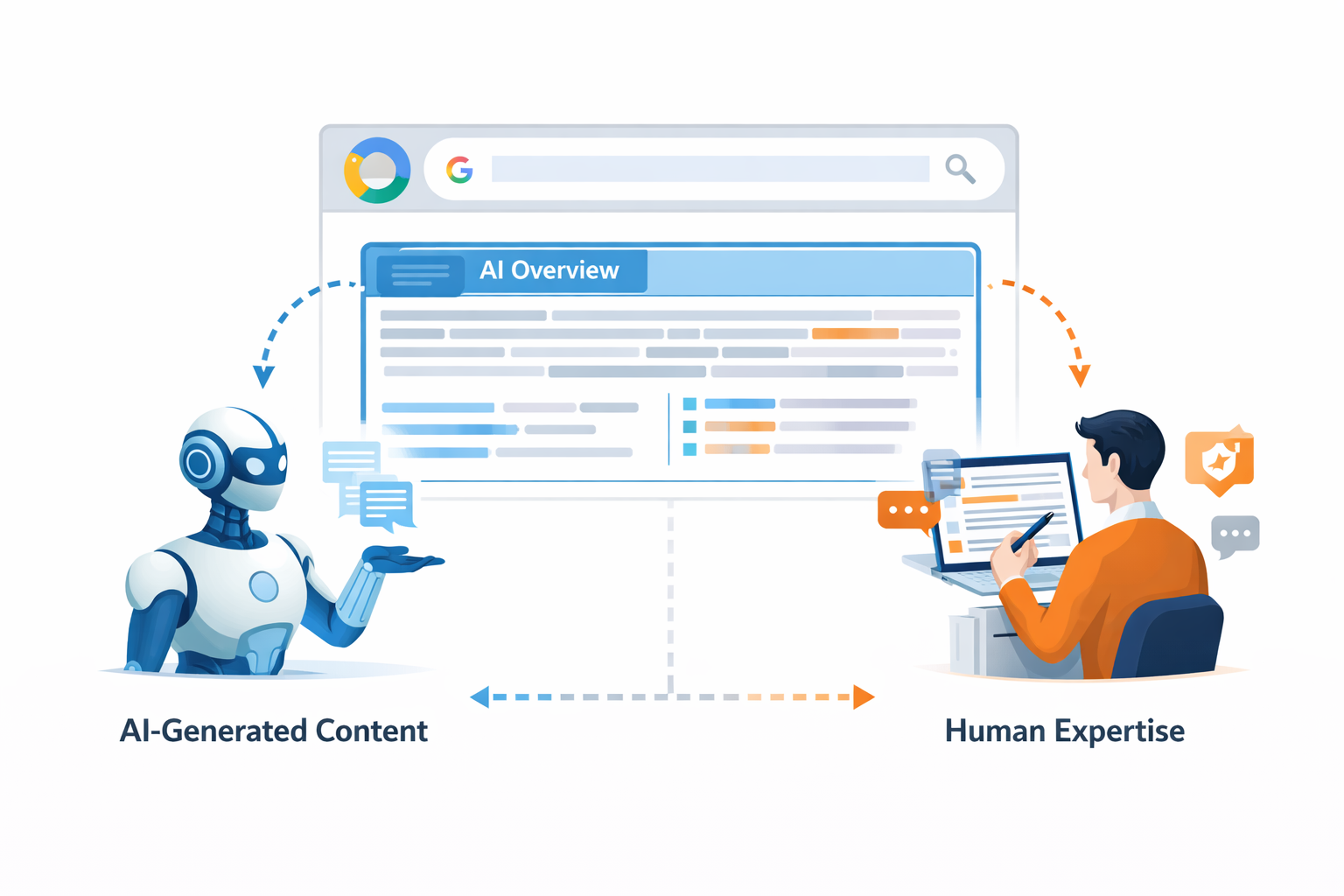
AI is excellent at scaling surface area. Humans are excellent at deciding what matters. Lose either, and the system collapses.
What AI Is Actually Good At (When Properly Deployed)
AI shines in areas where speed, pattern recognition, and repetition dominate. Used correctly, it compresses weeks of grunt work into hours.
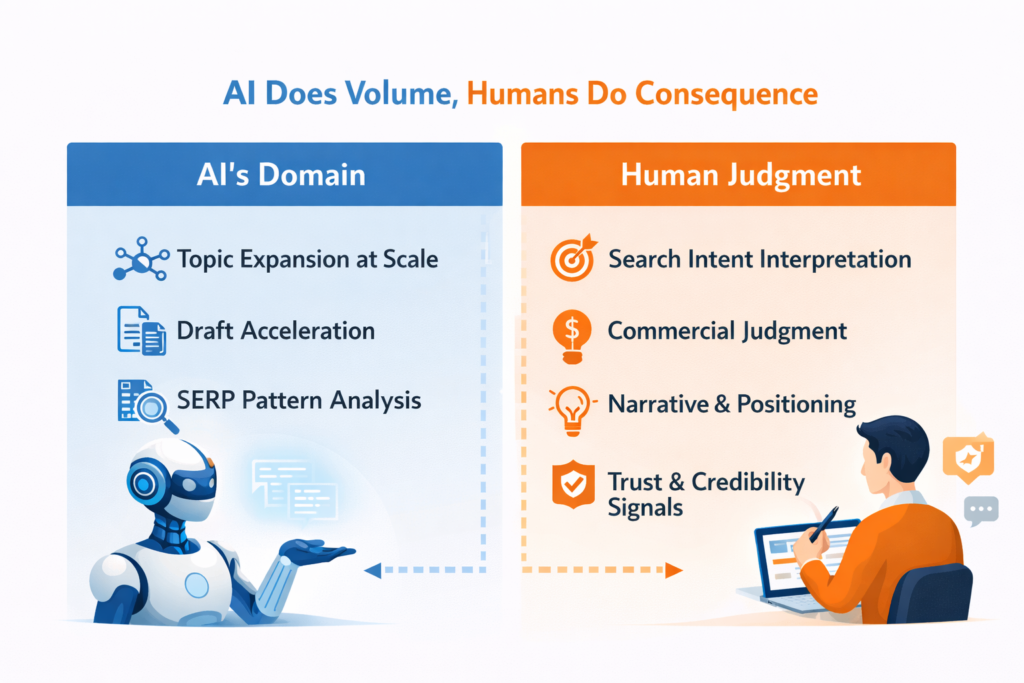
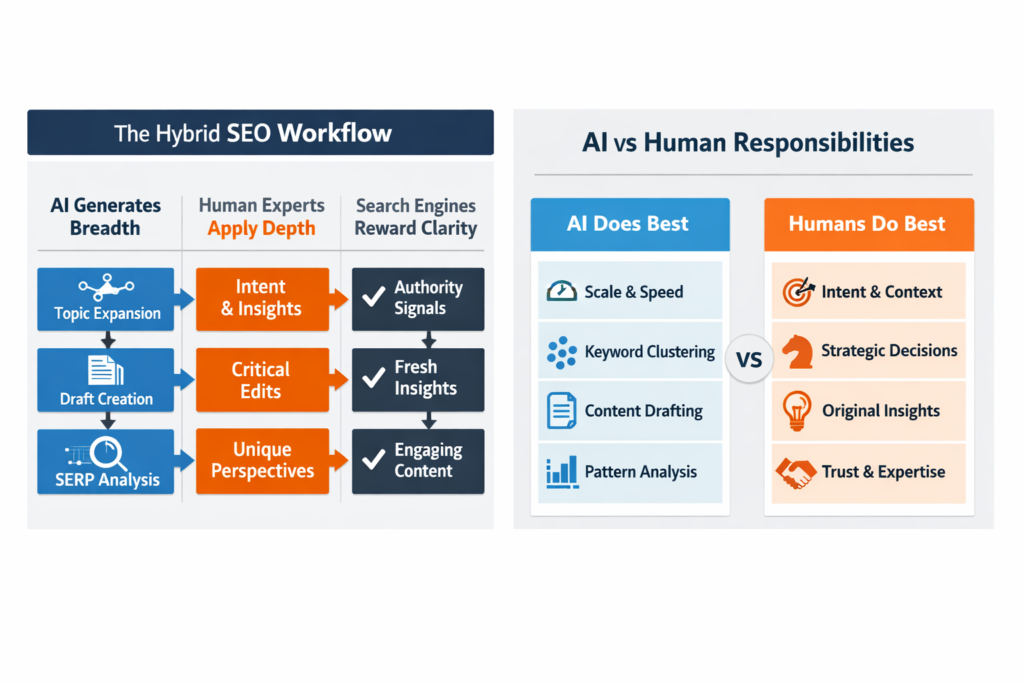
Operationally, AI should own:
topic expansion at scale
clustering keywords, mapping semantic relationships, and identifying coverage gaps across a category. Machines don’t get bored. That matters.
Draft acceleration
through first-pass outlines, boilerplate sections, FAQs, and structural scaffolding. Think “raw material,” not “finished asset.”
SERP pattern analysis
where AI can rapidly scan what formats, angles, and structures are being rewarded across thousands of queries.
In short: AI handles volume, velocity, and variance. What it does not handle well is consequence.
Where Human Expertise Is Non-Negotiable
This is where most teams underinvest—and where differentiation actually lives.
Humans must own search intent interpretation. AI can guess intent. Humans understand why someone is searching and what decision sits behind the query. Commercial judgment, knowing which keywords move revenue, not just rankings. Machines optimise for probability; humans optimise for outcomes. Narrative and positioning, AI recombines existing ideas. Humans create angles, tension, and original framing that earns attention and trust. Trust and credibility signals, first-hand experience, opinionated takes, expert quotes, and real-world nuance are still human advantages—and search engines reward them disproportionately.
This is the difference between “content” and “assets.”
The Hybrid SEO Operating Model (What Actually Works)
High-performance teams treat AI like an engine, not a driver. The workflow looks like this: AI generates breadth. Humans apply depth. Search engines reward clarity.
Practically, that means: AI drafts 60–70% of the material. Humans rewrite the 30–40% that actually matters. That 30–40% is where insight is added, assumptions are challenged, generic phrasing is destroyed, and commercial relevance is sharpened. Most teams invert this ratio and wonder why results plateau.
Why “AI-Only SEO” Plateaus Fast
Search engines are already adapting. They can detect over-templated phrasing, predictable sentence structures, and content that adds no new information to the ecosystem. When everyone uses the same models with the same prompts, differentiation collapses. Rankings become unstable. Authority evaporates. Human-led editorial control is now a ranking advantage, not a luxury. What This Means for Modern Growth Teams. If you’re serious about SEO as a growth channel—not a vanity metric—the mandate is clear: use AI to move faster than competitors, use humans to think better than competitors, and measure success by influence and revenue, not word count or publish velocity. The teams winning right now aren’t louder. They’re sharper. They understand that AI is a force multiplier, not a replacement. The future of SEO isn’t man versus machine. It’s disciplined operators versus everyone else. And, as always, the market doesn’t reward effort. It rewards execution.