Zero-Click Searches & Conversational Keywords: Winning SEO in an Answer-Driven World
Search didn’t quietly evolve. It flipped the table.
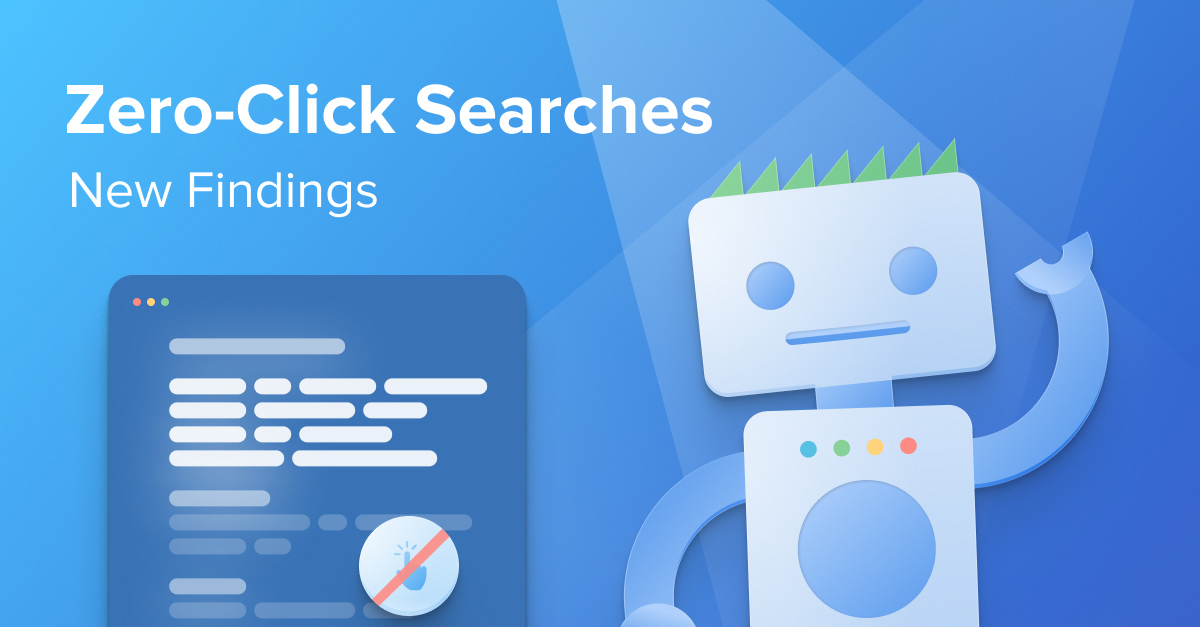
Users no longer browse. They ask. Platforms don’t send traffic. They give answers. The result is a cold, hard reality check: a growing share of searches now end without a click. That’s not a bug. That’s the product roadmap.
This is the operating environment shaped by zero-click searches and conversational keywords—and it demands a reset in how SEO is scoped, executed, and measured.
The Zero-Click Reality Check
Zero-click searches happen when the result satisfies intent directly on the results page: featured snippets, AI summaries, knowledge panels, local packs, calculators, “people also ask.” Users get what they came for and bounce—without ever touching your site.
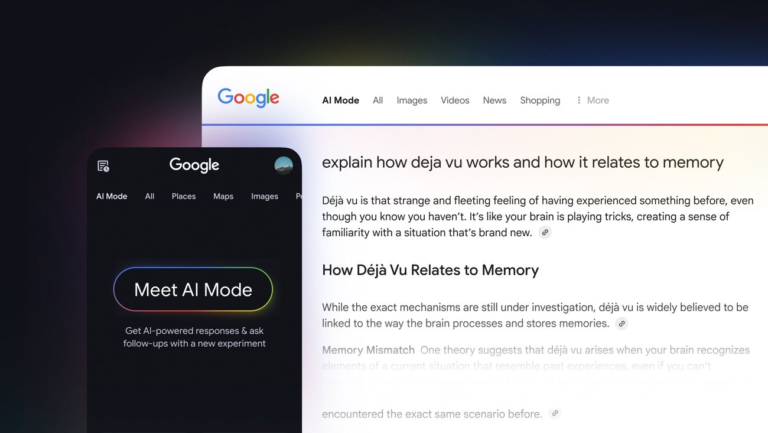
This trend accelerated as engines leaned into answer delivery. Traditional blue links are being demoted to supporting actors while summaries take center stage, especially across AI-augmented search experiences from platforms like Google and conversational systems influenced by OpenAI.
If your strategy still assumes “rank → click → convert,” you’re optimizing for a market that no longer exists. The strategic pivot is obvious: optimize to be the answer.
Conversational Keywords Aren’t Longer Keywords. They’re Different Intent
Old-school SEO treated keywords like labels. Conversational search treats them like dialogue. Instead of “best crm software,” users ask, “What CRM should a small sales team use if they hate admin?” That’s not semantics—it’s psychology. The query encodes context, constraints, and a decision framework.
High-performance teams reframe keyword research around problem statements, not head terms; follow-up chains, not isolated queries; and decision readiness, not raw volume.
This is where many teams underperform. They chase long-tail volume while missing the fact that conversational queries are answer-selective. Engines choose one response to surface. Second place may as well be page two.
The Answer-Driven SERP Has Rules (Ignore Them at Your Peril)
Answer-driven environments reward clarity, structure, and credibility. They penalize waffle.
Winning pages tend to share the same traits: immediate intent match in the first 40–60 words, explicit question-answer formatting with headings that mirror real queries, scannable logic through lists, tables, definitions, and comparisons, and authority signals like references, experience, and topical depth.
This isn’t about writing for robots. It’s about making your thinking legible to systems trained to extract meaning at speed. Pages that bury the answer under brand fluff don’t get surfaced. Pages that front-load value do.
SEO KPIs Are Being Rewritten in Real Time
Traffic alone is a vanity metric in an answer-first world.
High-maturity teams are tracking new indicators: SERP visibility without clicks through featured snippets and AI inclusions, brand recall from answers where the name appears with the solution, down-funnel lift from assisted discovery, and query coverage across an intent cluster rather than single rankings. This aligns SEO with reality: influence often happens before the click—or without one entirely.
Content Strategy: From Pages to Systems
Treating each page as a standalone asset is operationally inefficient. Answer-driven SEO rewards systems thinking. The dominant model is the topic cluster: a central authority page that defines the category, supporting pages that answer sub-questions in plain language, and internal linking that maps how humans actually think through a problem.
This structure does two things. It trains engines to recognize topical authority, and it ensures that wherever a user enters the conversation, they hit a coherent answer path. That’s how high-performance growth teams build durable visibility—even as interfaces change.
Local and Transactional Queries Still Click—But Expectations Are Higher
Not every search goes zero-click. High-intent queries like local services, pricing, and comparisons still drive traffic, but users arrive pre-educated. They’ve already seen summaries, pros and cons, and “best of” lists. By the time they land, they expect confirmation, not explanation.
Pages that convert in this environment acknowledge what the user already knows, address objections immediately, and reinforce credibility fast. Proof beats promises.
SEO no longer warms the lead. It qualifies it.
The Uncomfortable Truth: Most Content Is Invisible by Design
Here’s the blunt assessment. If your content repeats generic definitions, avoids taking a position, hides the answer behind intros, or exists purely to “rank,”.
It is structurally uncompetitive. Answer-driven systems surface content that sounds like it knows what it’s talking about, not content that hopes to be noticed.
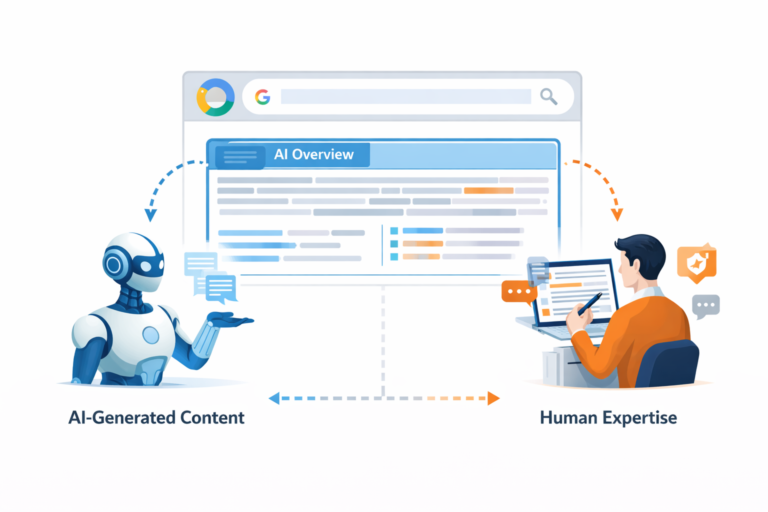
This is why modern SEO sits at the intersection of strategy, subject-matter clarity, and technical execution. Tools help. Judgment wins.
The Operating Playbook
Winning SEO in an answer-driven world isn’t about chasing every new feature. It’s about aligning with how discovery actually works now.
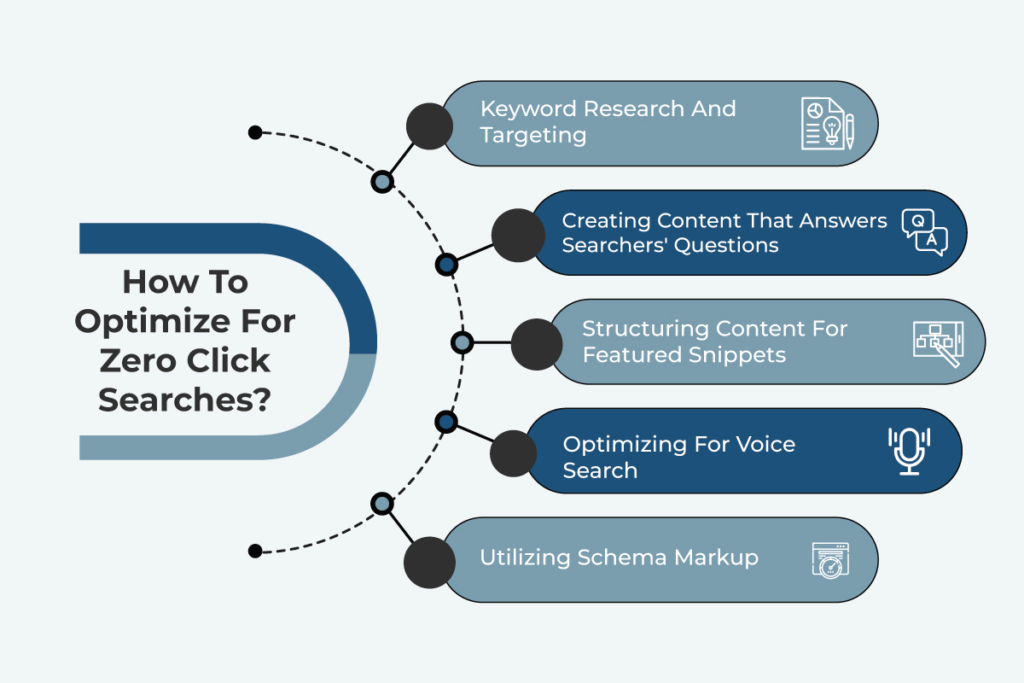
That means designing content around questions people really ask, structuring answers so machines can confidently extract them, measuring success beyond raw clicks, and building topical authority instead of isolated rankings.
Teams that make this shift don’t panic about zero-click searches. They benefit from them. Their brand shows up at the exact moment decisions are formed—even when no click follows.
That’s not the death of SEO. That’s SEO doing its real job: shaping outcomes.
The rest is just interface noise.